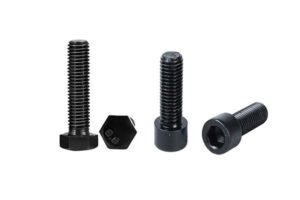
What Grade of Bolts Are Suitable for Shear Loads?
In mechanical and structural connections, shear force is one of the most common load types. Unlike tension force that pulls bolts apart, shear force cuts bolts horizontally, making bolt grade selection critical for connection safety and service life. For global engineering, machinery, and construction projects, choosing the right shear bolt grade follows unified international standard specifications.
For general shear load scenarios, Class 8.8 metric high-strength bolts are the most cost-effective mainstream choice. Made of medium-carbon steel with quenched and tempered treatment, these bolts feature stable shear resistance, moderate hardness, and excellent ductility. They perfectly match conventional static shear loads, widely applied in general steel structures, mechanical equipment assembly, and ordinary bracket connections, meeting the daily use demands of most industrial and civil projects.
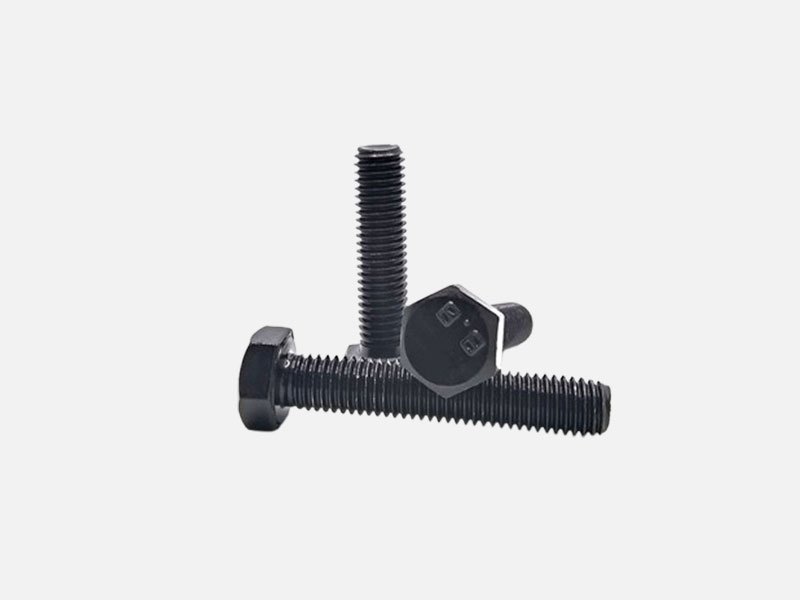
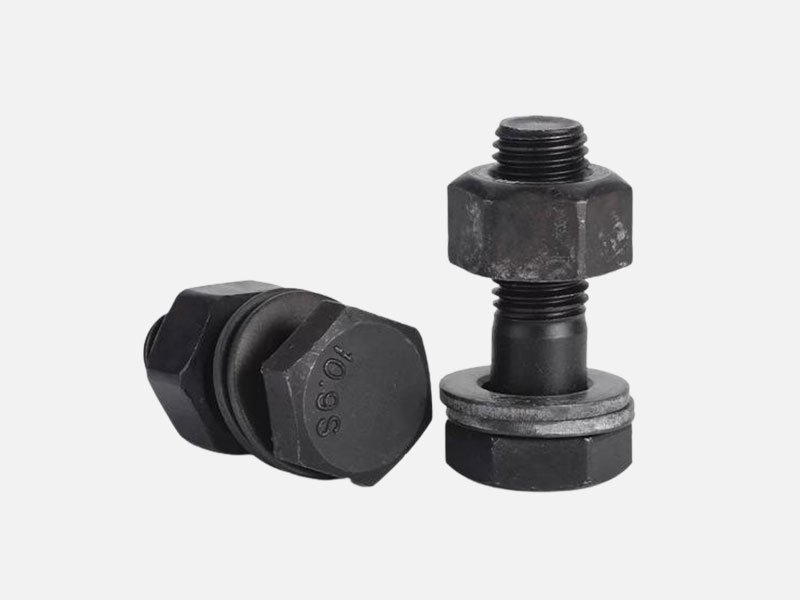
For heavy-duty shear working conditions with high load, frequent vibration, and impact force, Class 10.9 high-strength shear bolts are the preferred option. Manufactured from high-quality alloy steel, they have a minimum tensile strength of 1040MPa and outstanding shear resistance and fatigue resistance. Ideal for heavy machinery, bridge structures, automotive chassis, and engineering equipment connections, they ensure structural stability under extreme shear loads.
Class 12.9 ultra-high-strength bolts are reserved for special high-precision and ultra-high shear load scenarios. While offering superior performance, they have higher cost and stricter installation requirements, so they are only used in core key connections such as aerospace and high-end precision equipment.
In international standard systems, SAE Grade 5 corresponds to 8.8-level performance, and SAE Grade 8 matches 10.9-level shear resistance. For overseas projects, select grades based on load demand: 8.8 for conventional shear scenes and 10.9 for heavy-load shear scenarios to balance safety and cost efficiency.